Music: A Melodic Addition to Your Embroidery Projects
As an experienced designer and embroidery product reviewer, I'm always on the lookout for designs that can add a unique touch to my projects. The Music design caught my eye with its lively and engaging theme, perfect for a variety of embroidery applications.
First Impressions: A Harmonious Blend of Style and Substance
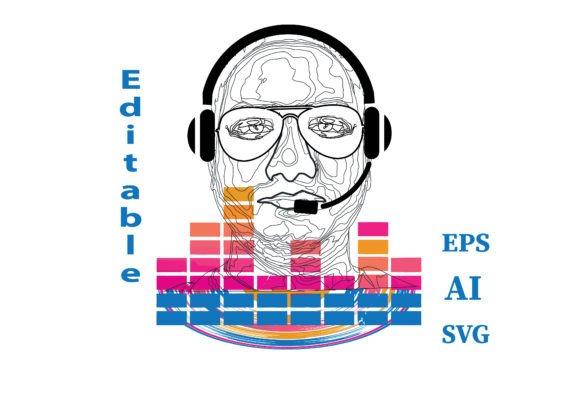
The Music design exudes a vibrant and cheerful vibe, making it ideal for projects that need a touch of creativity and joy. The layout is well-balanced, with a clear focus on musical elements like notes, instruments, and symbols. The level of detail is just right—detailed enough to be visually appealing but not so intricate that it becomes overwhelming.
Real-World Performance: From T-Shirts to Tote Bags
Let's dive into how Music performs in real-life embroidery situations. For instance, imagine using this design on a custom embroidered tote bag. The design's clean lines and balanced composition would make it stand out, adding a playful yet sophisticated touch to the bag. Customers would likely the way it complements the fabric and enhances the overall aesthetic.
- Custom Apparel: Perfect for t-shirts, sweatshirts, and other casual wear. The design's versatility makes it suitable for both adults and children.
- Tote Bag Design: Ideal for creating eye-catching and functional bags. The design's size and shape fit well on the front or back of a tote.
- Baby Embroidery: Adorable for baby onesies, bibs, and blankets. The gentle and joyful theme is perfect for little ones.
- Holiday Embroidery: Great for holiday-themed gifts, such as Christmas stockings, ornaments, and festive apparel.
Where to Use with Caution
While Music is versatile, there are some areas where you should use it carefully:
- Small Hoop Sizes: The design may lose some of its charm if scaled down too much. Test it on scrap fabric first to ensure it retains its visual impact.
- Textured Fabrics: Be mindful of fabrics with a lot of texture, as they can affect the clarity of the design. Use a stabilizer to help maintain the design's integrity.
- Stretchy Fabric: On stretchy materials, the design might distort. Consider using a cutaway stabilizer to keep the embroidery in place.
- Dark Fabric: Ensure the thread colors provide enough contrast against dark backgrounds. A light-colored thread can make the design pop.
- Dense Stitch Areas: Watch for areas with dense stitching, as they can cause puckering. Adjust the stitch density if needed.
Enhancing Visual Appeal and Product Value
The Music design has the potential to significantly enhance the visual appeal and value of your handmade products. Whether you're creating a custom embroidered patch, a personalized gift, or a boutique product, the design's quality and attention to detail will make a lasting impression on your customers.
For Etsy sellers and small shop owners, the Music design can be a valuable asset. It adds a professional and polished look to your listings, helping to build trust and engagement with your buyers. The design's versatility also means you can use it across a range of products, from printable mockups to digital embroidery files.
Practical Designer Notes
Here are some practical tips to ensure the best results when using the Music design:
- Test on Scrap Fabric: Always test the design on a scrap piece of fabric before using it on your final project. This helps you catch any issues and make necessary adjustments.
- Check Thread Color Contrast: Make sure the thread colors you choose provide good contrast against the fabric. This is especially important for dark or textured fabrics.
- Review Stitch Density: Inspect the design for any areas with dense stitching. Adjust the density if needed to prevent puckering and ensure a smooth finish.
- Confirm Hoop Size: Ensure the design fits within the hoop size you plan to use. This is crucial for maintaining the design's proportions and clarity.
- Inspect Small Details: Pay close attention to small details, such as tiny lettering or intricate shapes. These areas can be challenging to embroider, so a thorough inspection is essential.
- Test in Black and White Mockups: Create black and white mockups to see how the design looks without color. This can help you identify any areas that need adjustment.
- Compare Light and Dark Fabric Backgrounds: Test the design on both light and dark fabric backgrounds to see how it looks in different contexts. This can help you choose the best fabric for your project.
- Use Proper Stabilizer: Select the appropriate stabilizer for your fabric type. This is crucial for maintaining the design's shape and preventing distortion.
- Check Licensing Before Selling: If you plan to sell finished items or digital products, make sure to check the licensing terms. This ensures you have the right to use the design commercially.
In conclusion, the Music design is a fantastic choice for a wide range of embroidery projects. Its lively and engaging theme, combined with its practical and versatile nature, makes it a valuable addition to any designer's collection. With careful consideration and proper testing, you can create stunning and professional-looking embroidered products that your customers will love.